I Thought Earning Online Would Be Easy. Then I Had to Find My Own Clients.
Guidance calls, a Web3 gig and a website build added up to ₹20,174 with zero investment — but the real lesson was learning to ask for work.
When I started the EYFI (Earn Your First Income) Challenge, I was fairly confident. I'd already had some experience with online work, so I thought I knew what I was doing.
I figured I'd explore a few opportunities, find some clients, and earn along the way.
But things didn't go as smoothly as I'd expected.
Leads weren't converting. People showed interest but didn't commit. I kept switching between ideas, trying to figure out what would actually work. And as the days went by, I started panicking.
Over the course of the challenge, I experimented with different income streams, from paid guidance calls to freelancing and website development. I eventually earned ₹20,174 without any initial investment.
But the most valuable part wasn't just the money. It was learning what it actually takes to get someone to pay you for your work.
Trying Different Ways to Earn
I started with what I already knew.
One of my first attempts was offering one-on-one guidance calls for students interested in the Google Summer of Code (GSoC) and open-source contributions. I shared my Topmate link with people who had reached out to me and managed to convert two of them into paid calls, earning ₹174.
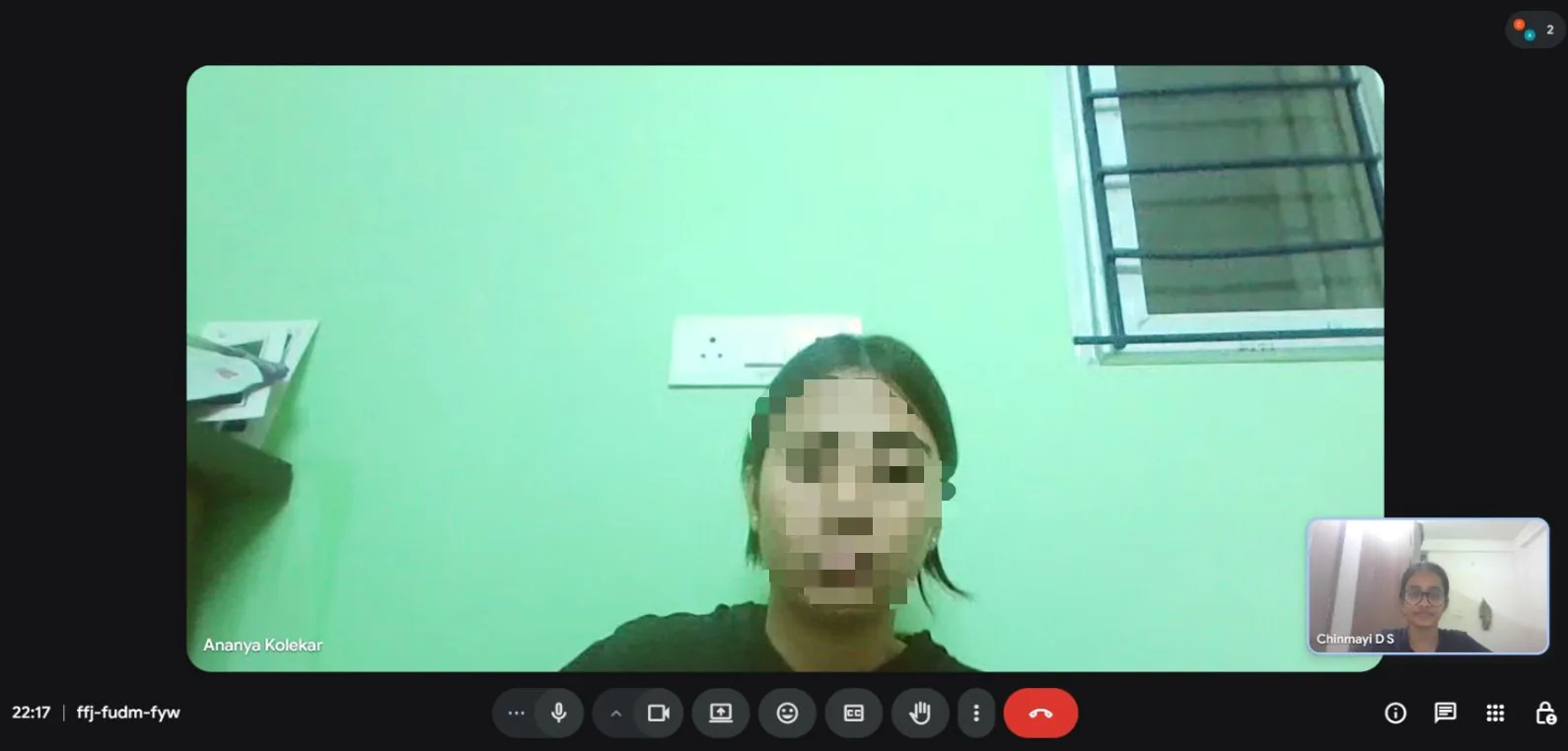
It was a small start, but it showed me that people who were already interested in what I offered could become paying customers.
I also explored freelancing opportunities. Through networking and direct conversations, I secured a Web3-related project worth ₹10,000.
Around the same time, I took on a website development project for a client who wanted a business website based on a reference design. I discussed the requirements, quoted a price, and built a functional, mobile-friendly website using Wix.
The entire project took around three to four days, and I earned another ₹10,000.
These projects showed me that I could turn my existing skills into income. But not every idea worked out.
The Ideas That Didn't Convert
I also tried offering portfolio and media kit creation services to User-Generated Content (UGC) creators who wanted to work with brands.
I reached out to creators through Instagram DMs, hoping to help them present their work professionally. A couple of conversations came close to converting, but I couldn't close a sale.
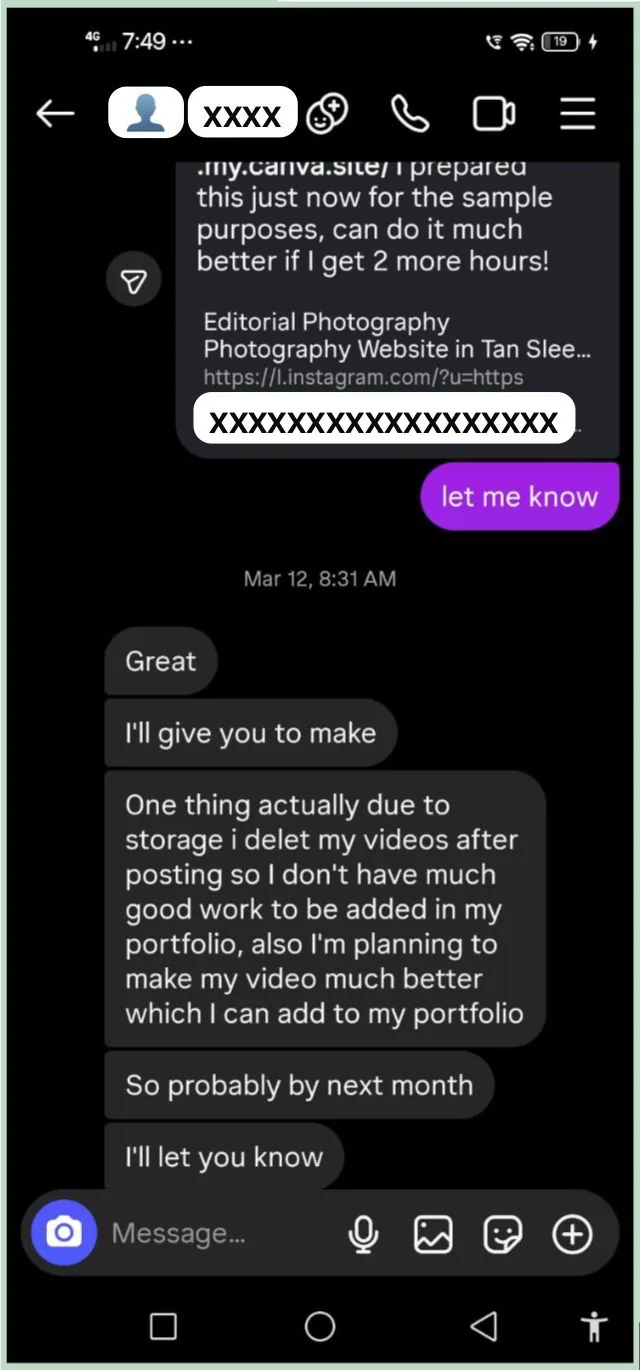
Cold outreach was proving much harder than I'd expected. People might show interest, ask questions, or keep a conversation going without ever committing to the service.
At one point, I was spending a lot of time messaging people and following up, without seeing the results I wanted.
There was also a situation where a conversation involved a lot of back and forth, and I wasn't sure whether the person I was speaking to was the actual end customer or someone intending to resell the service. It slowed things down and made it harder to close the deal.
I realised that getting someone interested was only one part of the process. I also needed to understand who I was selling to, what they actually needed, and whether they were ready to pay.
The Pressure to Keep Going
The challenge became stressful when my ideas weren't working as quickly as I'd hoped.
During check-ins, I'd hear about other fellows selling jaggery, agarbattis, muffins, and all kinds of things. Some were earning impressive amounts, while I was still trying to figure out how to get more deals.
I didn't have access to the same kind of setup, and comparing my progress with theirs only made me more anxious.
Classes, startup research, and the challenge were all happening at once. Meanwhile, I was sitting and sending messages to people who wouldn't even open them.
Honestly, there were moments when I started hating the whole process.
But eventually, something changed.
I realised that I couldn't just sit around thinking about ideas or waiting for opportunities to come to me. I had to take action every day, even when it felt uncomfortable.
So I kept reaching out. I followed up with people, tried different messages, and continued having conversations.
Sometimes, following up felt like I was doing too much or annoying people. But I also began to understand that people don't necessarily respond or pay immediately. Getting work often requires you to keep showing up.
The pressure that I initially hated started becoming something I appreciated. It pushed me to do things I might otherwise have avoided.
What Actually Helped Me Earn
Looking back, the opportunities that worked best came through direct conversations, networking, and people who already had some reason to trust me.
My paid guidance calls came from inbound interest. My Web3 project came through networking and outreach. And the website project involved discussing a client's requirements and delivering exactly what they needed.
These experiences taught me that having a skill is only the starting point.
You also need to communicate what you can offer, ask people for work, follow up when necessary, and be confident enough to discuss pricing.
One of my biggest takeaways was simple:
You need to ask for work. A closed mouth doesn't get fed.
I'd also learned that warm leads often convert faster than cold ones. When someone already knows your work or has a reason to trust you, the conversation can move much more easily towards a paid opportunity.
If I were doing the challenge again, I'd focus on one service with a stronger chance of converting instead of spreading my attention across multiple ideas. I'd also spend more time finding the right customers, clarifying expectations early, and being confident when quoting my price.
₹20,174 Later, Here's What Changed
By the end of the challenge, I'd earned ₹20,174 across paid guidance calls, freelancing, and website development, without making an initial investment.
But the number only tells part of the story.
The challenge changed how I approached earning. Before, I might have waited for someone to reach out, or assumed that having a useful skill would naturally bring opportunities my way.
Now, I understand that I have to actively create those opportunities.
I need to tell people what I do. I need to ask for work. I need to follow up, handle rejection, and learn how to close a conversation instead of letting it remain an expression of interest.
Not every lead will convert. Not every idea will work. And sometimes, despite putting in the effort, you'll still have days when nothing seems to move forward.
But you can't learn how to sell a service without actually trying to sell it.
Sometimes, You Need the Pressure
If there's one thing I'd tell another student starting the EYFI Challenge, it's this: don't be afraid to experiment, but don't spend all your time experimenting either.
At some point, you have to put your idea in front of someone, ask them to pay for it, and see what happens.
The experience can be messy. It can be frustrating. You might question what you're doing when other people seem to be progressing faster.
But that's also what makes it real.
For me, the biggest shift was moving from waiting for opportunities to chasing them. I started the challenge thinking I already knew how to earn online. I finished it with a much clearer understanding of the work that happens between having a skill and getting paid for it.
And that lesson was worth carrying forward long after the challenge ended.
This story was adapted from Chinmayi D S's original EYFI Challenge report and edited by the YouStart team.
About the author
Chinmayi D S