
Nobody Bought My Handmade Bouquets. Then I Started Selling Food on the Streets of Bangalore.
Ribbon bouquets, Japanese fruit sandwiches and chocolate-dipped strawberries: four experiments, ₹859 in net income, and a lot less fear of being judged.
I spent two nights making handmade flower bouquets out of satin ribbon. I put in the time, bought the materials, and thought I had something people would want to buy.
Nobody did.
That was one of my first lessons during the EYFI (Earn Your First Income) Challenge. An idea can seem great when you're making it, but that doesn't mean people will pay for it.
I'm Gandluri Charitha, a Cohort 2 fellow from Acharya Institute of Technology, Bangalore. Over the course of the challenge, I experimented with handmade products, Japanese fruit sandwiches, and chocolate-dipped strawberries. Some attempts failed, some worked, and each one taught me something different about selling.
By the end, I had earned ₹2,979 in revenue, spent ₹2,120, and made a net income of ₹859.
Here's how it happened.
My First Idea: Handmade Flower Bouquets
I wanted to make and sell DIY flower bouquets using satin ribbons. I made them entirely by myself, spending around two nights working on them.
I was excited about the idea, but I made one important mistake: I didn't do any primary research before starting.
I assumed people would be interested in buying the bouquets. When I tried selling them on Church Street, however, nobody was ready to purchase them. People preferred actual flowers.
I'd put in the effort, but I hadn't checked whether there was enough demand for what I was making.
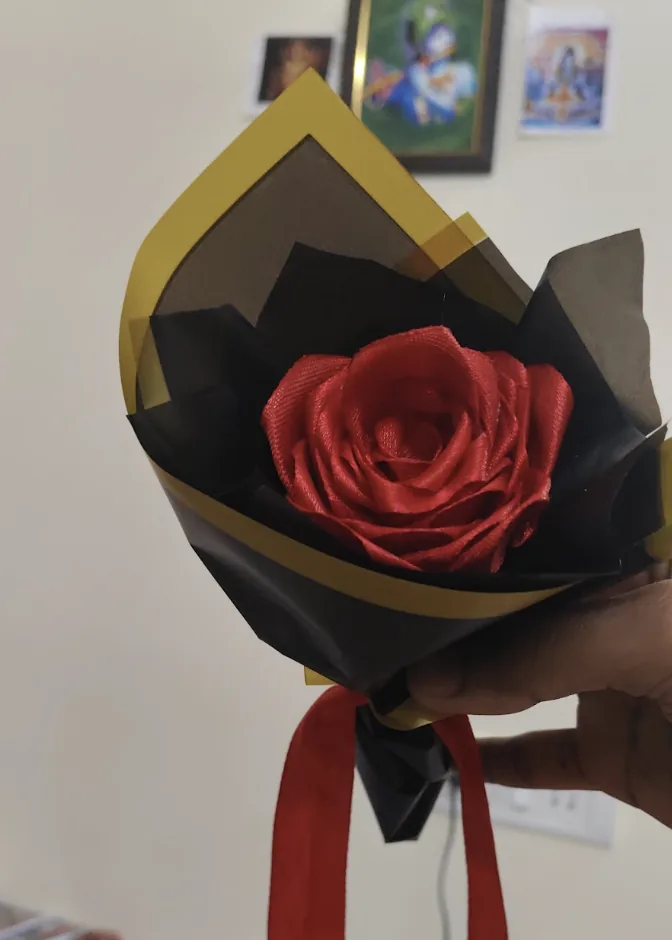
The experiment cost me ₹200, and I earned nothing from it.
It was disappointing, especially after spending so much time making the bouquets. But it taught me a lesson I would carry into my next attempts: before investing your time and money in a product, find out whether people actually want it.
Taking Japanese Fruit Sandwiches to Church Street
For my next attempt, I teamed up with another YouStart fellow, Abhiram.
Before setting up our stall on Church Street, we went there a day earlier to speak to people. We showed them pictures of different food options and asked what they would be interested in buying.
Based on the feedback, we decided to sell Japanese fruit sandwiches and brownies. I took responsibility for the sandwiches, while Abhiram chose the brownies. We also got help from Shreya, who already had experience selling to customers through stalls.
When we finally set up, people started buying. We had more than ten customers, and for a while, things looked promising.
But as the evening progressed, the footfall started dropping. We realised that people weren't as interested in buying snacks around dinner time, and our sales slowed down.
We eventually packed up the stall.
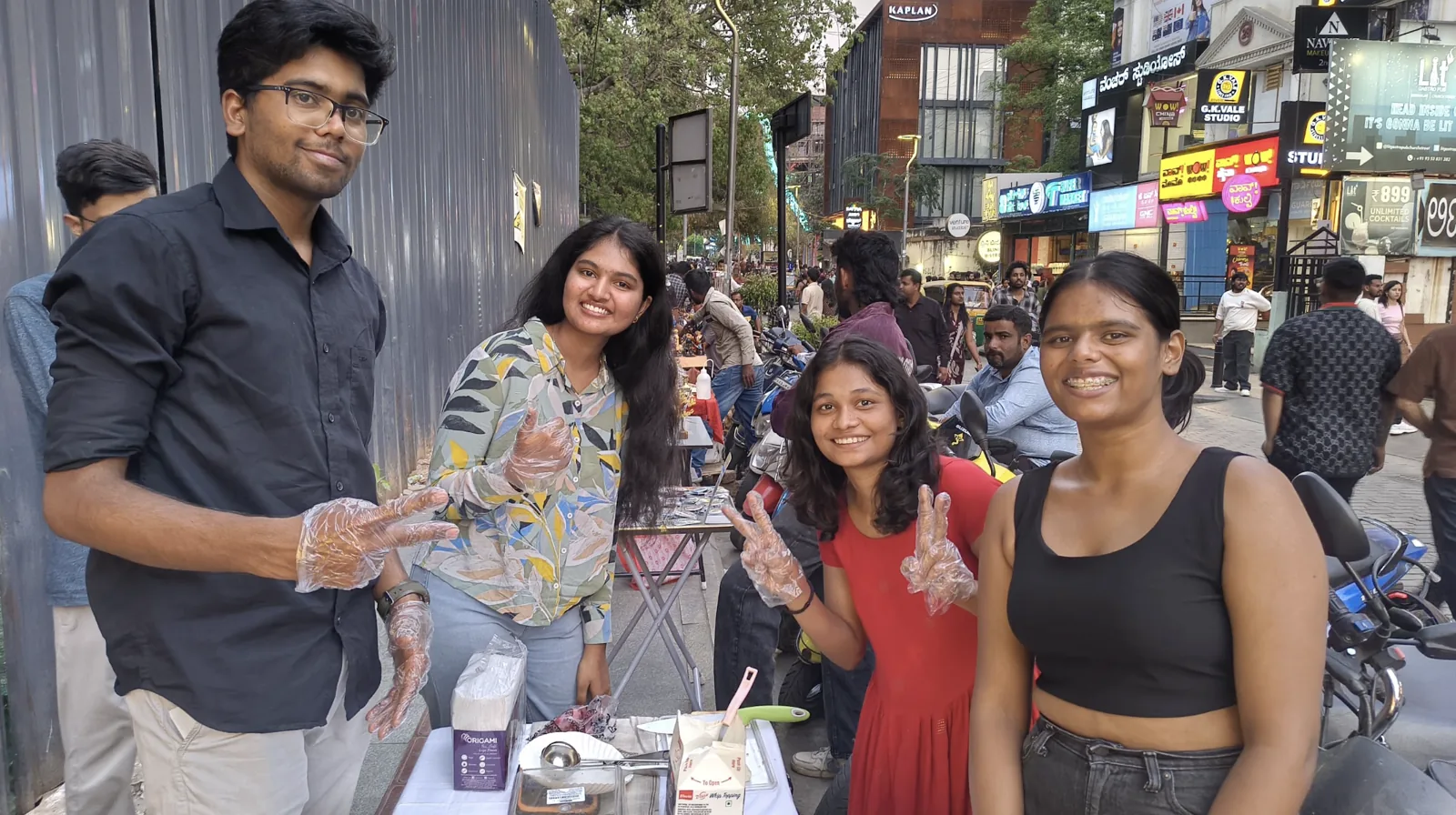
I earned ₹300 in revenue against an investment of ₹669, leaving a loss of ₹369 on that attempt.
It wasn't the result I'd hoped for, but this experience taught me something beyond product selection. Timing and location matter, too. Even if people like your product, you need to think about when they're likely to buy it.
Our initial research had helped us choose what to sell. Now I had another variable to consider: when and where to sell it.
Trying Again, This Time Near My College
I wasn't ready to give up on the Japanese fruit sandwiches.
Setting up a stall inside my college would have cost around ₹5,000, which was too expensive for me. So I decided to set up outside the college instead.
This time, I earned ₹950 in revenue against an investment of ₹309, making ₹641 in net income.
But the biggest challenge wasn't preparing the sandwiches or calculating the price. It was getting people to buy them.
There were people around, but I had to step out of my comfort zone and approach potential customers myself. That meant talking to people I knew, asking strangers if they wanted to try my product, and dealing with the feeling that everyone was watching me.
I worried about the stares and whether people were judging me.
At some point, I had to remind myself that I wasn't doing anything wrong. I was trying to sell something I'd made, and there was nothing embarrassing about that.
Once I pushed past that hesitation and started approaching people, I became more comfortable. I managed to make sales and realised how much confidence matters when you're trying to get your first customers.
Having a good product isn't enough if you're too hesitant to tell people about it.
The Strawberry Chocolate Dip Experiment
My final attempt was a stall near my college during ethnic day. This time, I teamed up with my co-founder, Lokesh, to sell strawberry chocolate dips.
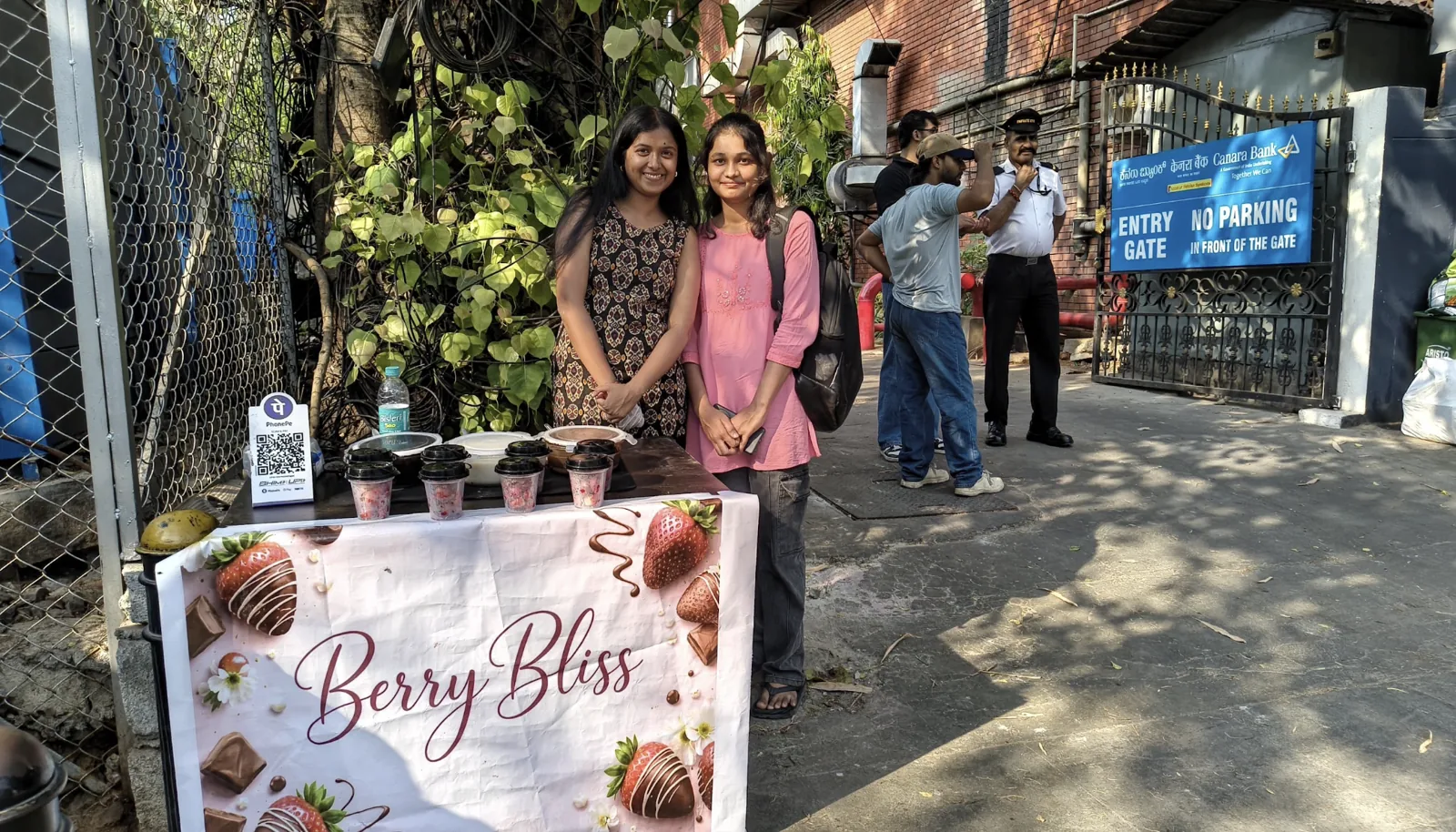
We approached influencers from our college and asked them to promote the stall on Instagram. We also offered two sizes so students could choose based on their budget:
- A big cup for ₹89
- A mini cup for ₹49
We had planned to sell mojitos as well, but had to drop that idea at the last minute.
Even with the promotion, there was another problem. People were interested in the strawberry chocolate dips, but some weren't convinced enough to buy them. They weren't sure whether the product would be worth the money.
So I tried something different.
I offered them a piece to taste before they decided to buy.
The feedback was positive, and people started purchasing after trying the product.
That small change made a difference. Instead of simply telling people that the product was good, I let them experience it for themselves.
The stall brought in ₹1,779 in revenue against an investment of ₹1,067, giving me a net income of ₹712.
It was my most successful attempt of the challenge.
Looking back, I realised that customers sometimes need a little reassurance before spending money on something unfamiliar. A free sample gave them a chance to judge the product for themselves and made the decision easier.
What My Failed Attempts Taught Me
Across these experiments, I learned that earning money involves much more than making a product and putting a price on it.
Research before you invest.
My flower bouquets taught me this the hard way. I had spent time and money making something without checking whether people wanted to buy it. Speaking to potential customers before committing to a product could have saved me that loss.
Don't underestimate marketing.
My college stall taught me that people won't necessarily approach you just because your product is good. You have to make them aware of it, explain what you're selling, and sometimes approach them yourself.
Let customers experience the product.
Offering samples of the strawberry chocolate dips helped people feel more confident about buying them. Positive feedback gave them a reason to try something unfamiliar.
I also learned to think more carefully about pricing. Initially, I struggled to decide what to charge, but analysing my costs and getting suggestions from others helped me make more informed decisions.
And perhaps most importantly, I learned that rejection is normal. Not everyone will buy what you sell, and not every idea will work. That doesn't mean you should be embarrassed about trying.
From Being Afraid of the Stares to Making My Own Sales
One of the things I appreciated most about the EYFI Challenge was that it pushed me to do things I probably wouldn't have done otherwise.
I wouldn't have put up these stalls if it weren't for the fellowship. Standing in public, approaching customers, and asking people to buy something I had made felt uncomfortable at first.
There were long days that started with college in the morning and continued with setting up stalls in the evening. After the Church Street stall, I even experienced body pain for several days.
But with every attempt, I became more confident. I got better at speaking to customers, explaining my product, and handling rejection.
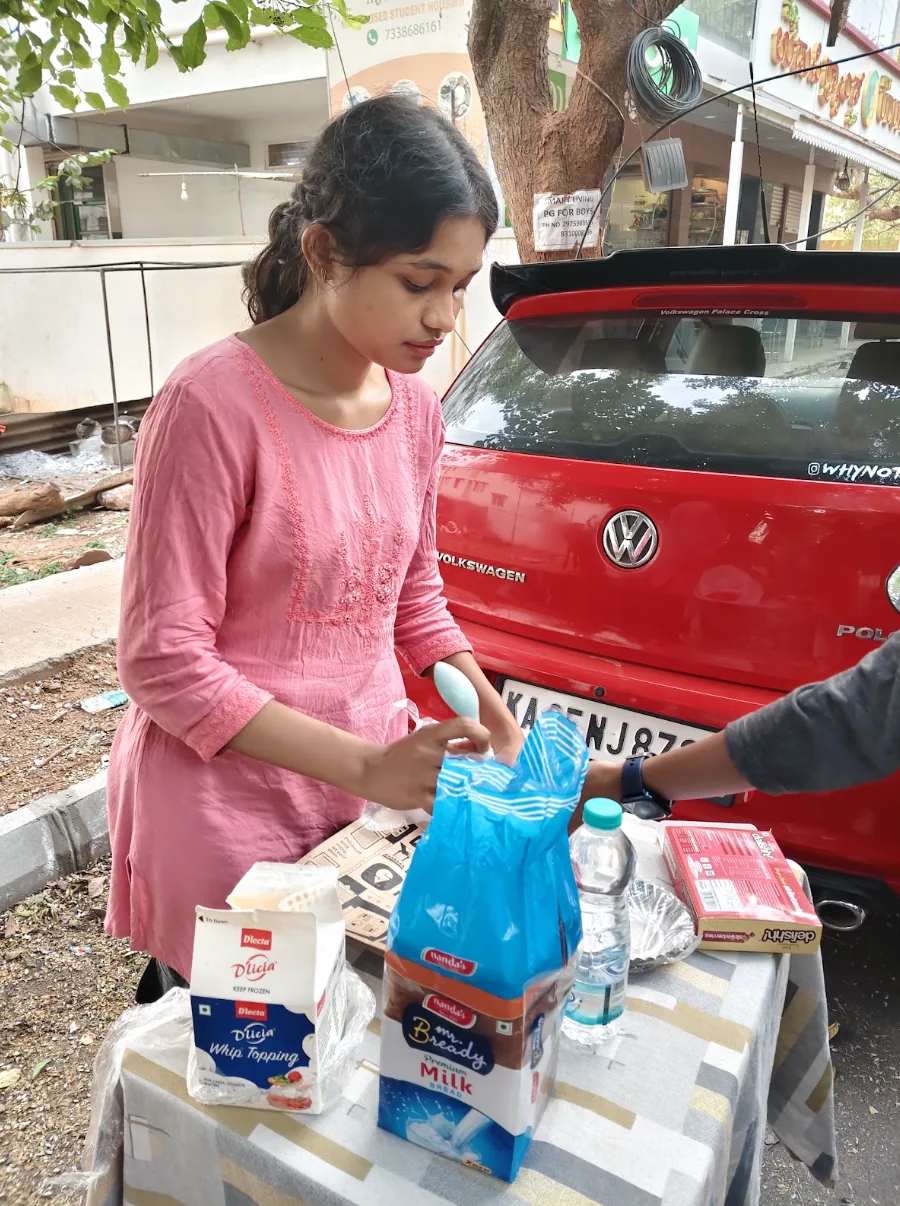
By the end of the challenge, I had earned ₹2,979 in revenue and made ₹859 in net income, with no expectation that every experiment would succeed.
My next goal is to try earning through my technical skills. But I'll carry the lessons from these stalls with me, especially the importance of research, marketing, and being willing to put myself out there.
Sometimes, You Have to Stop Worrying About What People Think
If there's one thing I'd tell another student about the EYFI Challenge, it's that the experience teaches you things that books alone cannot.
You can read about customer research, pricing, and marketing. But there's a difference between understanding these concepts and standing in front of a potential customer, asking them to buy something you've made.
You learn by doing, by getting things wrong, and by trying again.
My handmade bouquets didn't sell. My first food stall didn't recover its costs. But I kept experimenting, and eventually, I found approaches that worked better.
The biggest change wasn't just the money I earned. It was the confidence I built along the way.
Don't let the fear of being judged stop you from trying. You might lose money on your first idea, but you can still walk away with lessons that make your next attempt better.
And sometimes, that's where your earning journey really begins.
This story was adapted from Gandluri Charitha's original EYFI Challenge report and edited by the YouStart team.
About the author
Gandluri Charitha