
I Earned ₹300 Working in a Hotel Kitchen. Here's What I Learned.
A day making paddu and dosa in a 23-year-old neighbourhood hotel taught me more about pricing, customers and consistency than any framework.
I thought my first income challenge would teach me how to make money. It did, technically. I earned ₹300 in a day.
But what I didn't expect was how much I'd learn about running a business by spending a day in a small neighbourhood hotel, making paddu and dosa.
When I started the Polygnan fellowship, I was working on a campus placement platform. As part of the EYFI (Earn Your First Income) challenge, I wanted to step outside my usual work and experience what it actually takes to earn money.
And that's how I ended up in a hotel kitchen.
A Day Behind the Counter
Uncle and aunty run a small hotel in our neighbourhood. They've been running it for nearly 23 years, managing everything from inventory to customer service.
When I approached them about my income challenge, they were happy to have an extra pair of hands.
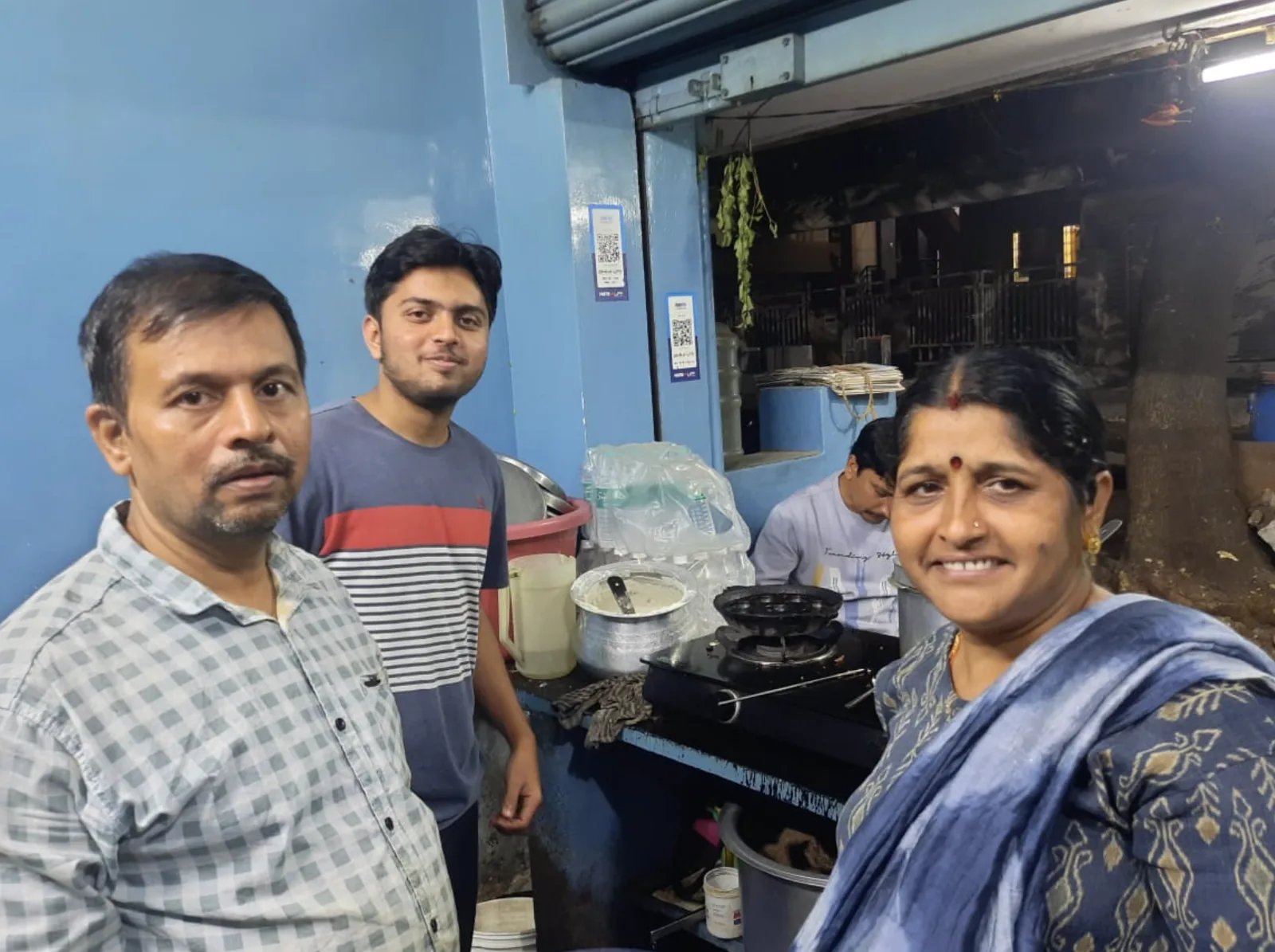
My responsibilities were straightforward: help prepare paddu, make dosas, and serve customers. But before I could do any of that properly, I had to learn how things worked.
Aunty showed me how to prepare the batter the night before, how fermentation worked, and the proportions needed to get the taste right. There was more to it than I had imagined. The consistency of the batter mattered, the temperature of the stove mattered, and timing could make the difference between getting it right and getting it wrong.
Then came the actual work.
The heat from the stove was intense, and my hands got tired quickly. Making food for customers wasn't just about getting one dosa right. It was about maintaining the same quality, again and again, while keeping up with the work.
It gave me a glimpse into the effort that goes into running even a small food business.
What 23 Years of Running a Hotel Taught Me
The kitchen wasn't the only place I learned something.
I also paid attention to how uncle and aunty interacted with their customers. They remembered the regulars, knew their preferences, and made sure the food was consistent every time.
It seemed like a small thing, but it was a big part of why customers kept coming back.
I'd often thought about business in terms of ideas, products, and platforms. Here, I was seeing another side of it: a business built over years through familiar faces, reliable service, and the simple promise that the food would be just as good as it was the last time.
There was also the question of pricing.
Every dosa comes with costs: ingredients, cooking gas, time, and effort. Watching how uncle approached the business made me think more carefully about what goes into pricing something and why understanding costs matters before deciding what to charge.
These weren't abstract business concepts anymore. I could see them playing out in front of me.
₹300, Earned the Hard Way
At the end of the day, I earned ₹300.
It might not sound like a lot, but I knew exactly what had gone into earning it. I had spent hours working in a hot kitchen, learning unfamiliar tasks, and helping prepare food for actual customers.
I wasn't just watching someone run a business. I was contributing to it.
That distinction made the experience meaningful.
The challenge also gave me a new appreciation for manual work. Preparing food, serving customers, and maintaining quality throughout the day require effort and consistency. When you experience that work yourself, it's easier to understand the people who do it every single day.
And you begin to see why every rupee earned through that effort matters.
Taking These Lessons Back to My Own Project
I'm working on a campus placement platform as part of my fellowship, and the hotel experience gave me a different perspective on that work.
Building a platform and running a neighbourhood hotel might seem like two completely different things. But both involve understanding what people need, delivering something useful, and making sure the value you provide is worth paying for.
The hotel showed me what customer focus looks like in practice. It showed me that pricing requires an understanding of costs. And it reminded me that consistency is what keeps people coming back.
These are principles I want to carry into my own project.
More Than Just ₹300
My EYFI challenge began with a simple goal: earn money through something I hadn't done before.
I achieved that goal. But the bigger takeaway was understanding the work behind the transaction.
Behind every plate of paddu or dosa is someone who has spent years learning their craft, managing costs, serving customers, and keeping a business running.
That deserves respect.
Sometimes, the best way to understand business isn't to start with a business plan or a complicated framework. It's to step into someone else's world, get involved, and see what the work actually looks like.
For me, that lesson was worth much more than ₹300.
This story was adapted from the fellow's original EYFI Challenge report and edited by the YouStart team.
About the author
Darshan