From Building AI Systems to Teaching Kids: How I Earned ₹27,500 in 30 Days
An AI-powered SEO pipeline for a startup, English tutoring for young students, and an Instagram experiment that hadn't paid off yet.
When I started the EYFI (Earn Your First Income) Challenge, I wanted to prove to myself that I could earn money using my own skills.
I didn't want to just think about opportunities or make plans. I wanted to find something people would actually pay me for.
Over the next 30 days, I explored a few different ways to earn. I built an AI-powered SEO system for a startup, started tutoring younger students in English, and experimented with building my personal brand online.
Not everything worked. My Instagram page generated some interest, but I hadn't figured out how to monetise it yet. The paid projects, however, showed me that the skills I already had could become a source of income.
By the end of the challenge, my report recorded ₹28,000 in revenue, ₹500 in investment, and ₹27,500 in net income.
Here's how I got there.
Turning AI Skills Into a Paid Project
One of my biggest opportunities came from working with a startup.
I wanted to explore how I could use AI to help businesses with their content and marketing. Instead of offering something vague, I focused on building an AI-powered SEO pipeline that could automate parts of the blogging and content creation process.
The idea was to make content production more efficient by building a system that could generate SEO-focused blogs and support the larger content workflow.
I reached out through my network and past connections, pitched the AI-driven solution, and managed to secure a paid project.
I then worked on building and delivering the SEO and blog automation system.
This was an important moment for me because I wasn't just experimenting with a tool or building something for practice. I was creating a solution for a real business that had a reason to pay for it.
It taught me that technical skills become much more valuable when you can connect them to a problem someone actually needs solved.
Rather than simply saying I knew how to work with AI, I had to demonstrate how I could use it to deliver something useful.
Finding Another Way to Earn: English Tutoring
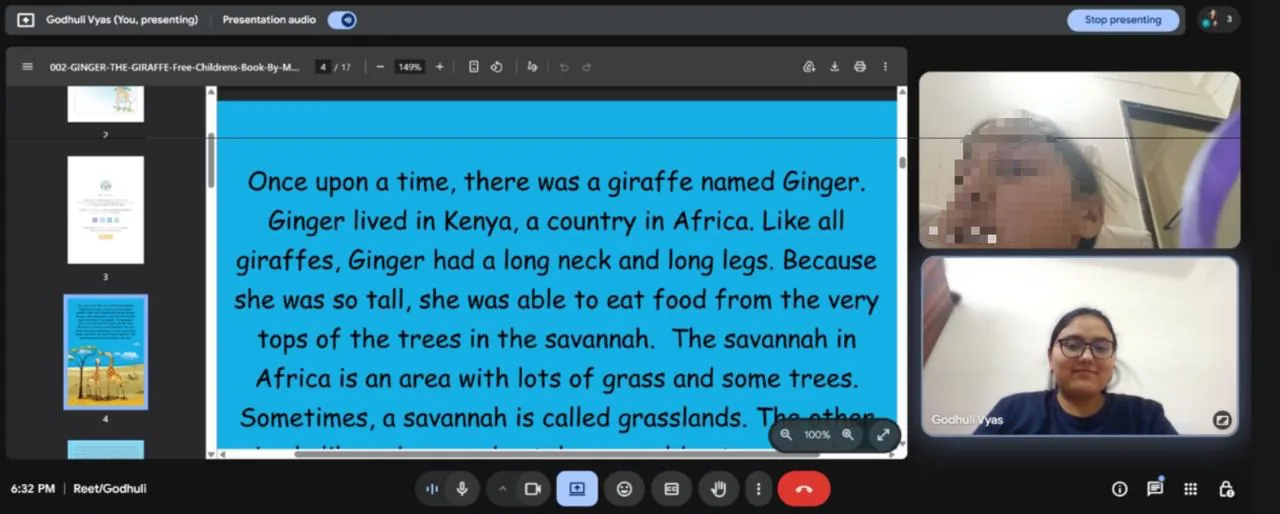
Alongside the startup project, I also started tutoring younger students in English.
I got my first student through my personal network and began teaching basic English communication and language skills to students in the second and third grades.
Through these sessions, I earned ₹2,000.
Tutoring was very different from building an AI system, but it reinforced the same lesson: you can earn by using what you already know to help someone else.
I didn't need to build an entirely new product or invest money upfront. I needed to find someone who could benefit from my skills and offer a service that met their needs.
The experience also helped me explore a more direct way of earning through my existing connections.
Experimenting With Personal Branding
I also started building a personal brand on Instagram, creating content and reaching out to startups about AI solutions, social media management, and potential collaborations.
I invested ₹500 in a microphone to support my content creation.
Although this effort generated some inbound interest, I hadn't converted it into revenue by the end of the challenge.
At first, it was tempting to think of this as an unsuccessful attempt. But I realised that building an online presence and earning from it are two different things.
Creating content might help people discover you, but that alone doesn't guarantee they'll become paying customers.
I still had to figure out how to position my services, reach the right audience, and turn interest into actual business.
If I were doing this again, I'd focus on monetisation and distribution much earlier rather than spending too much time building a presence without a clear path to revenue.
What Helped Me Find Paying Customers
Looking back, one of the biggest reasons I managed to earn during the challenge was my personal network.
My first paid opportunities came through warm connections. People who already knew me, had some context about my work, or were connected to me through existing relationships were easier to approach.
I also learned that outreach works better when I can clearly explain what I offer and why it might be useful.
Simply messaging people about AI services wasn't enough. I needed to connect those services to specific problems and demonstrate the value I could provide.
Cold outreach without clear positioning was much harder. Getting a response was one thing; converting that conversation into a paying customer was another.
That distinction became one of my most important lessons from the challenge.
Having a skill is one thing. Knowing how to position it, communicate its value, and find someone willing to pay for it is another.
The Reality of Earning Independently
The challenge wasn't just about completing projects. It was also about managing different responsibilities at the same time.
There were days when I had tutoring sessions, startup work to deliver, outreach messages to send, and content to create.
I had to keep moving between these activities while figuring out which opportunities were actually worth pursuing.
The biggest challenge was getting that first paying customer and converting outreach into revenue. I handled it by focusing more on warm connections, improving how I presented my services, and staying consistent with my efforts.
I also realised that I didn't need every experiment to work.
The AI project brought in paid work. Tutoring created another income stream. My personal branding efforts were still in progress.
Each experience taught me something different about how to find opportunities and turn my skills into income.
What I'd Do Differently Next Time
If I could do the challenge again, I'd start thinking about distribution and monetisation earlier.
I'd spend more time identifying who might actually pay for a service before putting too much effort into building an audience around it. I'd also focus on clearer positioning and make better use of warm leads rather than relying heavily on cold outreach.
Most importantly, I'd continue building skills that solve real problems for people and businesses.
The challenge reinforced something I already believed but hadn't fully experienced: earning isn't just about having a good idea or knowing how to do something. It's about taking action and finding a way to turn that ability into value for someone else.
Earning Is About Taking Action
Before the EYFI Challenge, I had skills I wanted to use to become more financially independent. During the challenge, I had to put those skills in front of real people, ask for work, and figure out what they were willing to pay for.
That process wasn't always straightforward. Some ideas generated revenue, while others were still works in progress.
But by experimenting with different income streams, I learned how to approach potential customers, communicate value, and recognise the difference between interest and a completed sale.
My biggest takeaway is simple: earning isn't just about luck. It's about taking action, using your skills, and staying consistent.
You don't need to have everything figured out before you begin. Start with what you know, find someone who might need it, and learn from what happens next.
That's what the EYFI Challenge taught me.
This story was adapted from Godhuli Vyas's original EYFI Challenge report and edited by the YouStart team.
About the author
Godhuli Vyas