150 Cold Calls, Street Sales, and My First ₹7,100 in Product Revenue
Two tracks at once: selling descaler tablets and toys on the street, and cold-calling businesses for my tech services. Both taught me to sell outcomes, not features.
When I started the EYFI (Earn Your First Income) Challenge, I wanted to test whether I could turn my ideas and skills into actual revenue.
I decided to try two approaches at once.
The first was selling physical products directly to customers. The second was finding clients for my tech services business, Bloomin Solutions.
One involved sourcing products, setting up stalls, and convincing strangers to buy. The other involved cold calling businesses, presenting demos, and trying to close deals.
Both pushed me outside my comfort zone in different ways. And both taught me that having something to sell is only half the battle. You also need to understand your customers, communicate value, and keep going when people say no.
Track One: Taking Products to the Streets
I started by looking for products I could source at a reasonable price and resell at a margin.
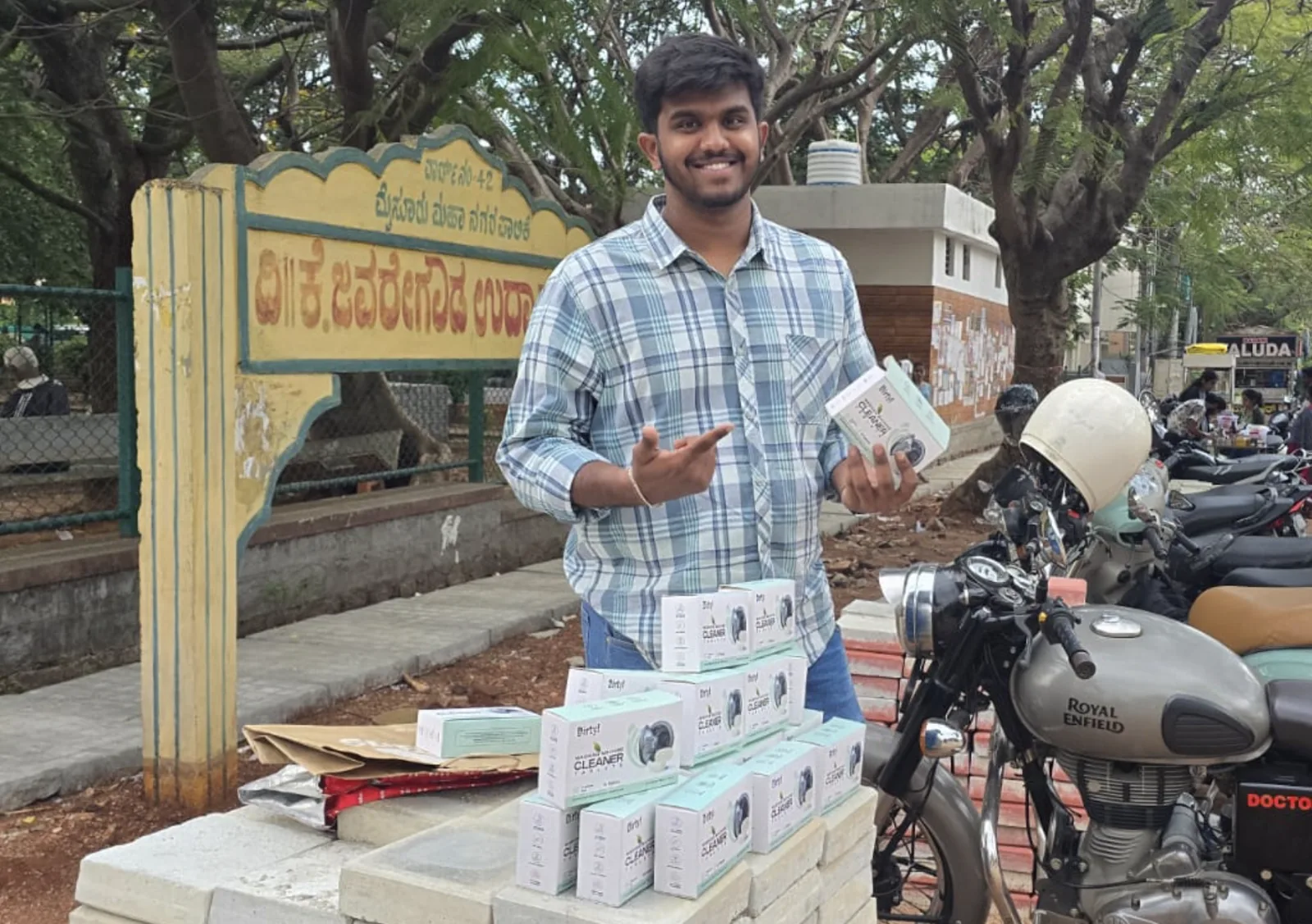
I settled on two: washing machine descaler tablets and children's toys.
The descaler tablets cost me around ₹100 to ₹140 per unit, while the toys cost ₹170 each. I planned to sell both products for around ₹250 to ₹300, depending on the item.
Over three days of street selling, I generated ₹4,300 in revenue from the descaler tablets and ₹2,800 from the toys, bringing my total product revenue to ₹7,100.
The experience gave me a practical way to test what people were willing to buy.
I noticed that the descaler tablets were easier to sell to urban households than the generic toys. That helped me understand that not every product has the same appeal, even when the pricing seems reasonable.
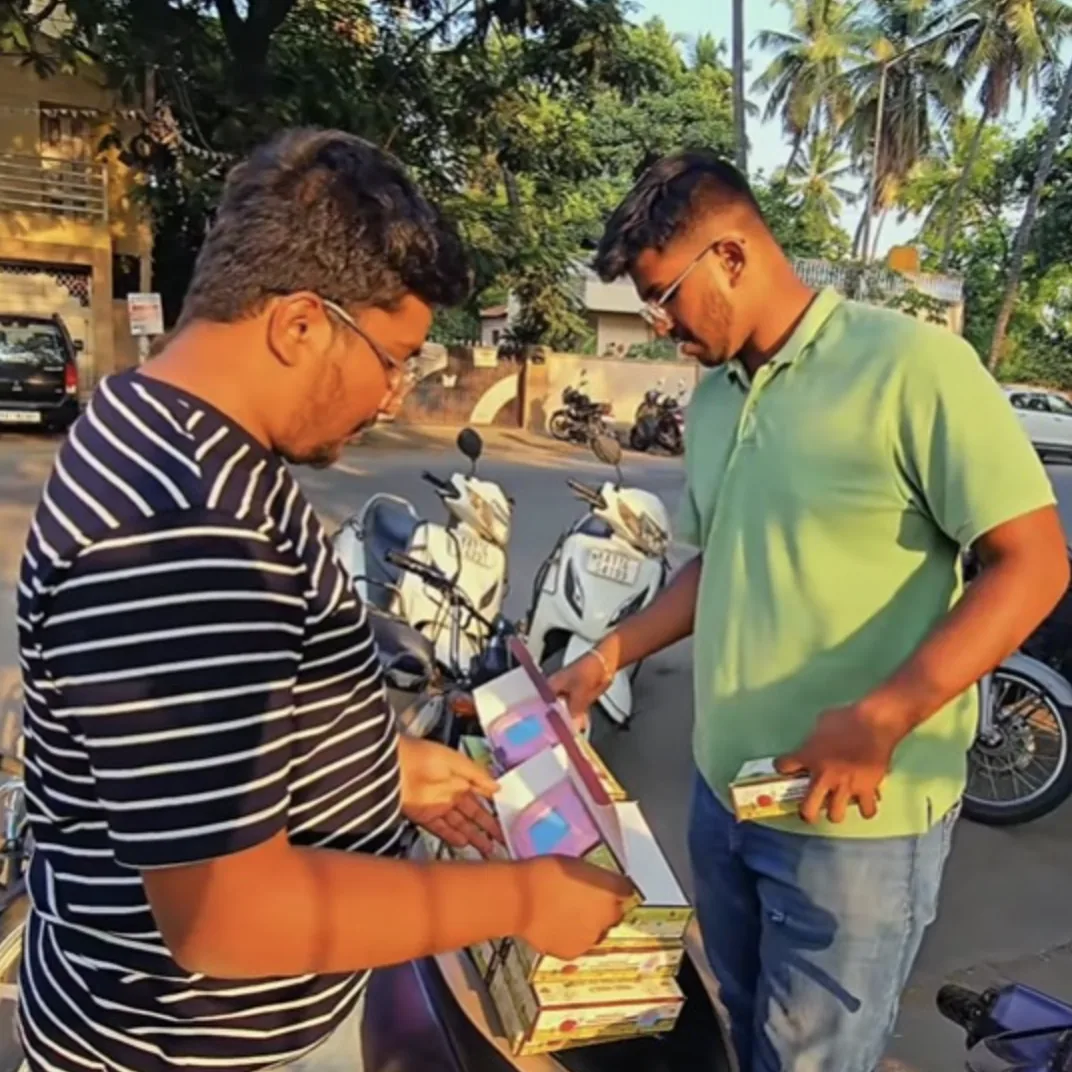
I also learned how quickly you can gather useful feedback when you're actually out speaking to customers. Instead of spending weeks thinking about what might sell, I could test products, observe reactions, and adjust my approach.
I still had inventory left over at the end of the sprint, along with five pre-orders for descaler tablets for the following month. So there was more work to do beyond the initial sales.
But the biggest takeaway was that selling on the ground gives you a much clearer picture of customer behaviour than assumptions alone.
Track Two: Building a Client Pipeline for Bloomin Solutions
Alongside product sales, I worked on acquiring clients through Bloomin Solutions, my tech products and services business.
I wanted to offer businesses practical technology solutions, including website development and other digital services.
My initial approach was fairly direct. I'd build demo websites and present them to potential clients, hoping they would see the value and agree to work with me.
It didn't work as well as I'd expected.
I made more than 150 cold calls and conducted around 15 to 20 website demos. Many prospects rejected the offer, sometimes after several follow-ups.
At first, it was difficult not to take those rejections personally. I'd spent time preparing demos and explaining what I could build, only to hear no or receive no response.
But the conversations started teaching me something important: showing someone what I could build wasn't necessarily the same as showing them why they needed it.
The Shift That Changed My Pitch
Over time, I began changing how I approached sales.
Instead of leading with features or immediately showing a demo, I started focusing more on understanding what the business actually needed and how my solution could help.
The conversation had to be about the customer's problem, not just my product.
I also became more conscious of how I communicated. I needed to explain the value of an idea quickly, keep the conversation focused, and respond to objections without losing the prospect's attention.
Each rejection gave me another opportunity to rethink my approach.
Eventually, I secured three client opportunities:
- Landing page development: A ₹15,000 project for which I received a ₹5,000 advance.
- Video streaming platform: A ₹40,000 proposal for a local news network, reported as accepted but awaiting advance confirmation.
- Full-stack web solution: A ₹50,000 deal with a CA firm, reported as closed but awaiting partner and CFO confirmation.
Together, these represented a potential service pipeline of ₹1,05,000. However, only ₹5,000 in advance payment was confirmed as received in my report at that point.
That distinction taught me another important lesson: getting a client to agree to a deal and actually collecting payment are two different parts of running a business.
What 150 Cold Calls Taught Me
The numbers tell one part of the story, but the experience behind them taught me much more.
Rejection is feedback.
Most of my early pitches didn't convert. But the repeated conversations helped me identify where my approach wasn't working and improve how I communicated.
Customers care about outcomes, not just features.
A demo might show what a product can do, but a customer needs to understand why it matters to their business. Connecting the solution to a real need made my conversations more meaningful.
Follow-ups matter.
Many prospects didn't respond immediately. Following up gave me more opportunities to continue the conversation, although it didn't guarantee a sale. I learned that persistence needs to be paired with a clear understanding of what the prospect actually wants.
Closing a deal isn't the finish line.
A verbal agreement or accepted proposal doesn't automatically mean the money has reached your account. Confirming the next steps and collecting the advance are essential parts of the process.
Building Beyond the Challenge
The EYFI Challenge also helped me make progress on the larger ideas I was exploring through my fellowship.
Through BloomScribe, I was investigating hospital digitisation, while Bloomin Solutions gave me an opportunity to test my technology services with real businesses.
Working on actual sales and client projects helped me think more concretely about the problems I wanted to solve and the kind of value businesses might be willing to pay for.
Instead of relying only on research or assumptions, I was having conversations with potential customers, testing my pitch, and learning from the responses.
The experience helped me understand that building a business involves more than developing a good solution. You need to find the right customers, communicate the value clearly, and establish a process for turning interest into revenue.
What I'd Do Differently Next Time
If I were starting again, I'd spend more time understanding the customer before preparing a demo. I'd also continue refining my pitch, learning from rejection, and building a more consistent follow-up process.
On the product side, I'd keep testing different items and pay closer attention to which products move faster, where customers are most receptive, and how much inventory I should carry.
Both approaches taught me the importance of acting quickly, gathering feedback, and improving through experience.
Learning to Sell Is Learning to Build
Looking back, the EYFI Challenge wasn't just about earning my first income. It was about learning to take an idea into the real world and finding out whether people would pay for it.
Selling products taught me to observe customer behaviour and test demand. Selling technology services taught me to communicate value, handle rejection, and navigate the process of closing a deal.
Neither came with a guaranteed outcome. I had to keep experimenting, adjusting, and learning along the way.
The biggest shift was personal. I became more comfortable talking to strangers, pitching my ideas, and putting myself in situations where rejection was a real possibility.
Sometimes, the most valuable thing you earn from your first income challenge isn't just money. It's the confidence to approach the next customer, make the next pitch, and keep going when the first attempt doesn't work.
This story was adapted from Harsha M's original EYFI Challenge report and edited by the YouStart team.
About the author
Harsha M